The Winter Indoor Air Trap: Why Sealed Homes Can Make Pollution Worse

Why your indoor air can get worse in winter
When the temperature drops, most of us do the obvious thing: close the windows, seal up draughts and keep the warm air inside.
That makes sense for comfort and energy efficiency. But there is a downside that many households overlook. The same sealed indoor environment that helps keep heat in can also trap pollutants, moisture and stale air inside your home.
In Australian homes, improved airtightness and insulation can support better thermal comfort, but without adequate ventilation, airtight homes may contribute to condensation, mould, higher carbon dioxide levels and greater exposure to indoor pollutants.
This is what we call the winter indoor air trap.
What happens when homes are closed up?
During winter, indoor air can become more concentrated with pollutants because there is less fresh outdoor air moving through the home.
Common winter indoor air issues include:
- Moisture build-up from showers, cooking, drying clothes indoors and breathing
- Condensation on windows, walls and cold surfaces
- Mould growth in damp or poorly ventilated areas
- Dust and allergens being recirculated through living spaces
- Fine particles from cooking, heating, candles, fireplaces or outdoor pollution
- Higher CO₂ levels in bedrooms and closed rooms
- VOC build-up from furniture, flooring, paints, cleaning products and household materials
The Australian Centre for Disease Control lists common indoor air pollutants as including gases such as carbon dioxide and carbon monoxide, particulate matter, volatile organic compounds, and microorganisms including viruses, bacteria and moulds.
The problem with “just keeping the windows closed”
Closing windows is not always wrong. In fact, there are times when it is the sensible choice, such as during poor outdoor air quality, bushfire smoke, heavy traffic pollution or very cold weather.
The problem is relying on closed windows all day, every day, without another strategy for managing indoor air.
The US EPA explains that inadequate ventilation can increase indoor pollutant levels by not bringing in enough outdoor air to dilute emissions from indoor sources and by not carrying indoor pollutants out of the home.
In simple terms: when pollutants are created indoors and cannot escape, they can accumulate.
Why winter moisture matters
Moisture is one of the biggest winter air-quality problems.
Everyday activities add water vapour to the air. Cooking, showering, breathing, drying laundry indoors and using unflued heaters can all increase indoor humidity. When that warm, moist air hits cold surfaces, it can turn into condensation.
Condensation may seem harmless at first, but persistent dampness can create conditions where mould is more likely to grow. CSIRO has also warned that overly airtight homes without controlled ventilation can lead to condensation and mould.
Signs your home may have a winter moisture issue include:
- Water droplets on the inside of windows
- Musty smells
- Visible mould on walls, ceilings, curtains or window frames
- Damp wardrobes or cupboards
- Peeling paint or bubbling plaster
- Increased allergy or asthma symptoms indoors
Ventilation and filtration work together
Improving winter indoor air quality is not about choosing between fresh air and filtration. In most homes, you need both.
Ventilation helps dilute and remove stale indoor air. This may be as simple as opening windows briefly when outdoor air quality is good, using exhaust fans in bathrooms and kitchens, or improving whole-home airflow.
Filtration helps remove airborne particles from the air that remains indoors. A quality air purifier can help capture dust, allergens, fine particles, mould spores and other airborne contaminants, depending on the filter technology used.
The EPA describes source control, ventilation and filtration as key strategies for reducing exposure to indoor pollutants and improving indoor air quality.
Practical ways to improve winter indoor air quality
Here are simple steps that can help reduce the winter indoor air trap.
1. Ventilate briefly but regularly
When outdoor conditions are suitable, open windows or doors for short periods to refresh indoor air. Even 10–15 minutes can help reduce stale air in a closed room.
Focus on bedrooms, living areas and rooms where people spend long periods of time.
2. Use exhaust fans properly
Run bathroom exhaust fans during and after showers. Use kitchen rangehoods or exhaust fans while cooking, especially when frying, grilling or using gas appliances.
Let fans run long enough to remove moisture and airborne particles, not just odours.
3. Avoid drying laundry indoors where possible
Drying clothes indoors can add a large amount of moisture to the air. If you need to dry laundry inside, use a well-ventilated room and consider using a dehumidifier or air purifier as part of your moisture and air-quality strategy.
4. Keep an eye on condensation
If condensation appears regularly on windows or walls, treat it as a warning sign. Wipe it down, increase ventilation and check for hidden damp areas behind furniture, curtains and cupboards.
5. Reduce indoor pollution sources
Some indoor pollutants come from everyday activities and products. You can reduce the load by:
- Choosing low-VOC cleaning products where possible
- Avoiding indoor smoking or vaping
- Limiting candles and incense
- Keeping fireplaces and heaters properly maintained
- Vacuuming with a HEPA-filtered vacuum
- Removing dust from soft furnishings and high-touch surfaces
6. Use a suitable air purifier in rooms where you spend most of your time
Portable air purifiers can be especially useful in bedrooms, living rooms, home offices and children’s rooms during winter, when windows may stay closed for longer.
For best results, choose an air purifier that is appropriately sized for the room and uses high-efficiency particle filtration. If odours, smoke or chemical vapours are a concern, activated carbon filtration may also be important.
Where should you place an air purifier in winter?
Placement matters.
For winter use, position your air purifier where air can circulate freely. Avoid pushing it tightly against walls, hiding it behind furniture or placing it in a corner with poor airflow.
Good locations include:
- Bedrooms while sleeping
- Living rooms during evening use
- Home offices during work hours
- Rooms with persistent dust, odours or poor ventilation
- Areas near—but not directly inside—pollution sources
Keep doors and windows closed while the purifier is running for targeted room filtration, then ventilate separately when outdoor air quality allows.
Is opening windows still necessary if you use an air purifier?
In many cases, yes.
An air purifier can help remove airborne particles and, depending on its filter configuration, some gases and odours. But it does not replace oxygen, remove all built-up CO₂, or solve moisture problems on its own.
Think of ventilation and purification as complementary:
- Ventilation refreshes air and helps manage moisture and CO₂
- Purification filters airborne contaminants from indoor air
- Source control reduces pollutants before they build up
Together, they create a more complete indoor air-quality strategy.
The bottom line
A warm, sealed home may feel comfortable in winter, but it can also trap moisture, particles, gases and allergens indoors.
The solution is not to leave windows open all day or sacrifice comfort. Instead, aim for a balanced approach: reduce indoor pollution sources, ventilate when conditions are suitable and use effective air filtration in the rooms where your family spends the most time.
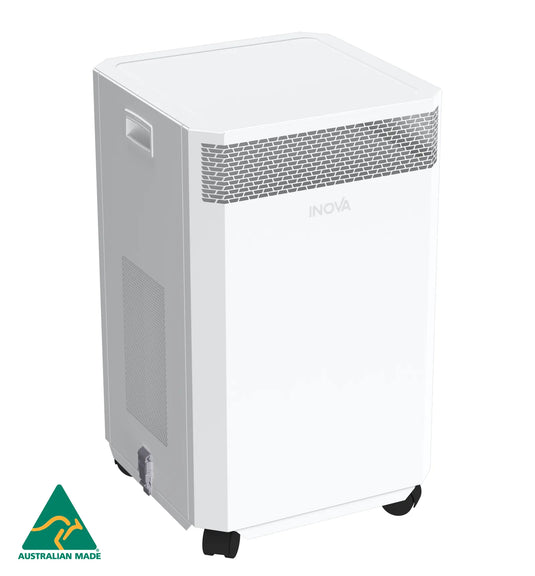
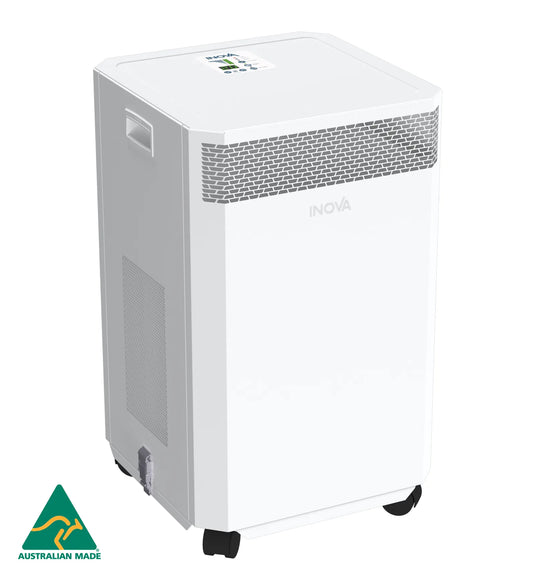
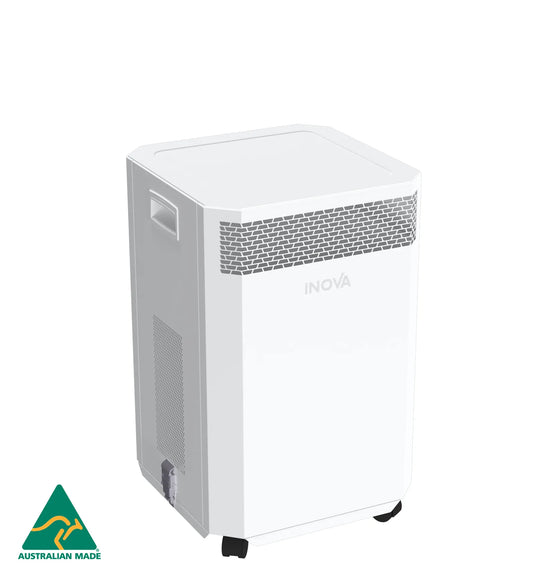
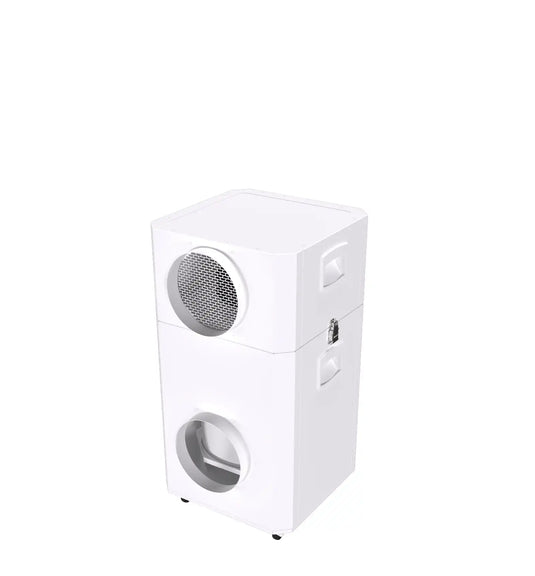
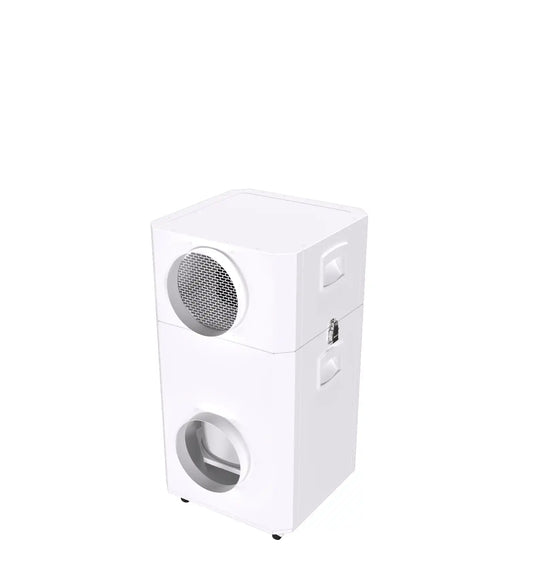
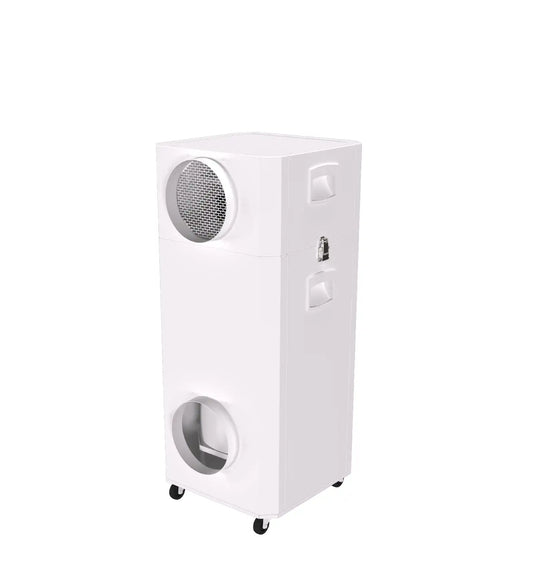
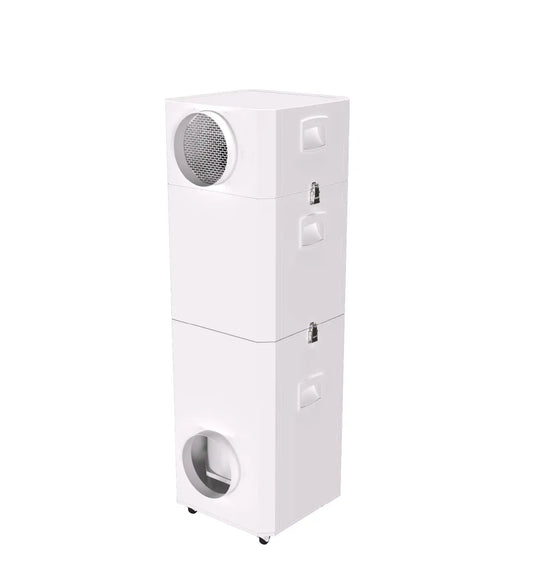
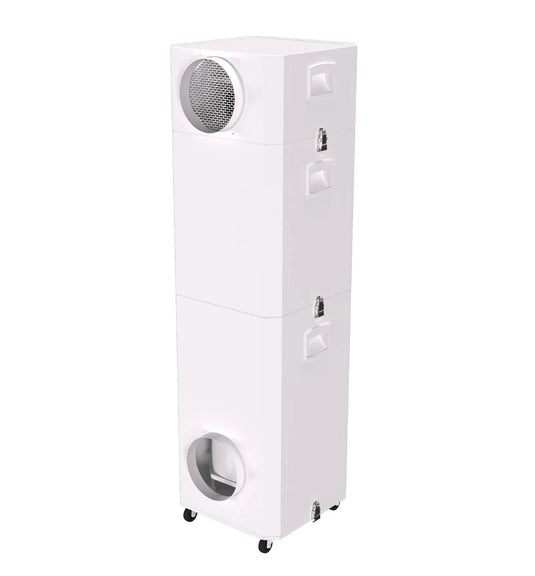
INOVA Air Purifiers are designed to support cleaner indoor air in Australian homes, helping capture airborne particles that can build up when rooms are closed up during winter.
Want cleaner air at home this winter?
Explore INOVA’s Australian-made air purifiers and find the right model for your bedroom, living room or whole-home air-quality needs.