The Hidden Air Pollution in Your Kitchen: What Cooking Adds to the Air You Breathe

For many Australians, the kitchen is the heart of the home. It's where we prepare meals, gather with family and enjoy the familiar aromas of home cooking.
But while the smell of dinner might be inviting, the cooking process can also release a surprising amount of pollution into the air.
From frying bacon to preparing a stir-fry, everyday cooking activities generate microscopic airborne particles and gases that can linger long after the meal is finished.
And it's not just gas cooktops that contribute to the problem. Electric and induction cooking can also generate airborne pollutants, particularly when cooking at high temperatures.
Understanding where these pollutants come from, and how to manage them, is an important step towards maintaining cleaner indoor air.
What Happens to Indoor Air Quality When We Cook?
Cooking involves heating food, oils and other ingredients, often to very high temperatures. During this process, a mixture of particles, vapours and gases can be released into the surrounding air.
Some are responsible for the familiar smells associated with cooking. Others are too small to see or smell.
Common cooking-related pollutants include:
-
Fine particulate matter (PM2.5): Microscopic particles measuring 2.5 micrometres or smaller that can remain suspended in the air and penetrate deep into the lungs when inhaled.
-
Ultrafine particles: Extremely small airborne particles that can be generated during high-temperature cooking, particularly frying and grilling.
-
Volatile organic compounds (VOCs): Gaseous chemicals released during certain cooking processes, including the heating of oils and food.
-
Nitrogen dioxide (NO₂): A respiratory irritant associated with gas combustion, including gas cooktops.
-
Carbon monoxide (CO): A potentially dangerous gas that can be produced by incomplete combustion in gas appliances.
The types and quantities of pollutants depend on several factors, including cooking temperature, ingredients, fuel type, cooking method and ventilation.
According to NSW Health, indoor air pollution can pose health risks, with fine particulate matter and combustion-related gases among the pollutants of concern.
Gas, Electric or Induction: Does the Cooktop Matter?
Gas cooktops have received increasing attention because burning natural gas can introduce additional pollutants, particularly nitrogen dioxide and carbon monoxide, into the home.
However, changing to an electric or induction cooktop doesn't eliminate all cooking-related air pollution.
The cooking process itself can be a significant source of airborne particles.
For example, frying food in hot oil can produce fine particles regardless of whether the heat comes from gas, electricity or induction.
High-temperature cooking methods such as frying, searing and grilling can produce particularly noticeable emissions. Lower-temperature methods, such as steaming or simmering, generally produce fewer airborne particles.
This means that while the choice of cooktop can influence indoor air quality, how we cook and how effectively we ventilate the kitchen are equally important considerations.
Is Your Kitchen Rangehood Doing Enough?
Most modern Australian kitchens have a rangehood positioned above the cooktop. While these appliances help manage cooking fumes, their effectiveness varies considerably.
One important distinction is whether the rangehood extracts air outside the home or simply recirculates it.
Externally vented rangehoods draw cooking emissions from above the cooktop and discharge them outdoors. When appropriately designed and operated, they can remove a substantial proportion of cooking-related particles, gases and moisture before these spread throughout the home.
Recirculating rangehoods, on the other hand, pass air through filters before returning it to the kitchen. Although grease filters and activated carbon filters may capture certain contaminants and reduce some odours, these systems do not provide the same pollutant removal or fresh-air ventilation as externally vented extraction.
The US Environmental Protection Agency (EPA) recommends operating an externally vented rangehood whenever cooking and allowing it to continue running for 10–20 minutes afterwards.
Even with a good rangehood, however, some emissions may escape into the kitchen and adjoining living areas.
This is particularly relevant in modern open-plan homes, where the kitchen, dining and living spaces often share the same air.
How Can an Air Purifier Help With Cooking Pollution?
Effective ventilation should always be the first line of defence against cooking-related pollution.
However, a high-quality air purifier can provide an additional layer of protection by helping reduce airborne contaminants that remain inside the home.
The effectiveness of an air purifier depends on its filtration technology, airflow performance and suitability for the pollutants present.
HEPA Filtration for Fine Airborne Particles
High-Efficiency Particulate Air (HEPA) filters are designed to capture microscopic particles as air passes through the filtration media.
This makes HEPA filtration particularly relevant to the fine particulate pollution produced during frying, grilling and other cooking activities.
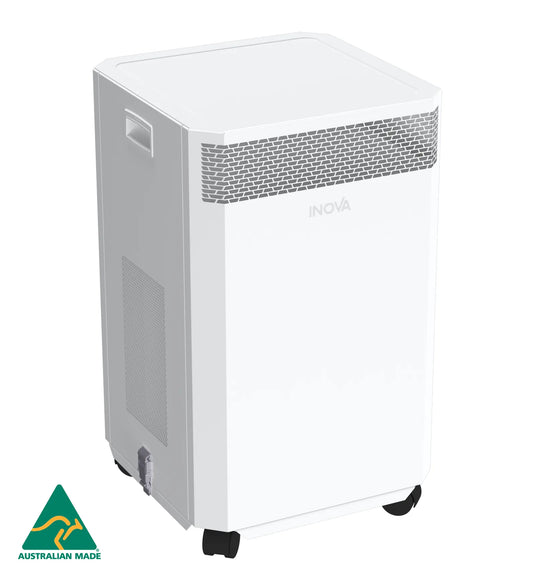
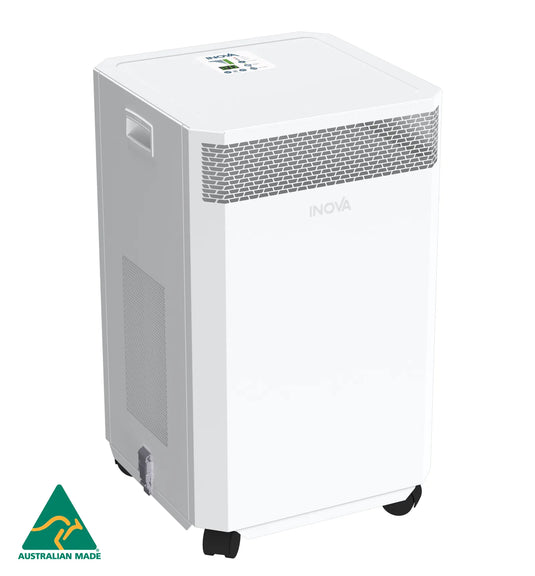
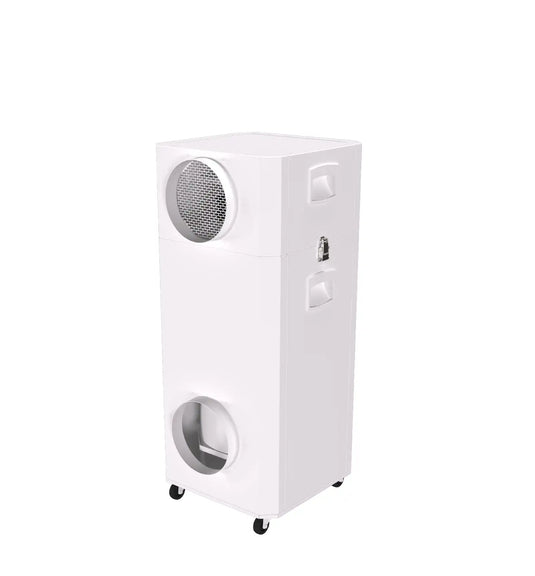
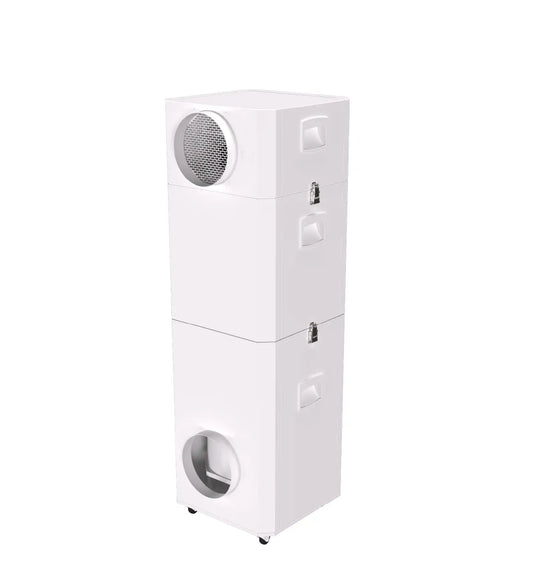
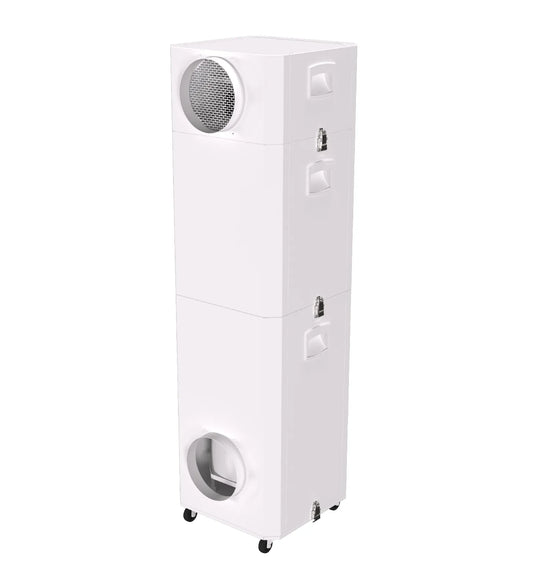
INOVA Air Purifiers use H13 medical-grade HEPA filtration, designed to capture extremely fine airborne particles while delivering high-efficiency filtration for residential environments.
When appropriately sized and operated, an air purifier equipped with effective HEPA filtration can help reduce the concentration of cooking-related particles circulating through the home.
Activated Carbon for Cooking Odours and Gaseous Pollutants
While HEPA filters capture airborne particles, they are not designed to remove gases.
This is where activated carbon filtration can play an important role.
Activated carbon has a highly porous structure that allows certain gaseous chemicals and odour-causing compounds to be adsorbed onto its surface.
It can therefore help reduce some of the lingering cooking smells and volatile organic compounds that remain after food preparation.
However, not all activated carbon filters offer the same performance.
The type, quantity and quality of carbon, together with the airflow through the filter, influence its ability to capture specific contaminants.
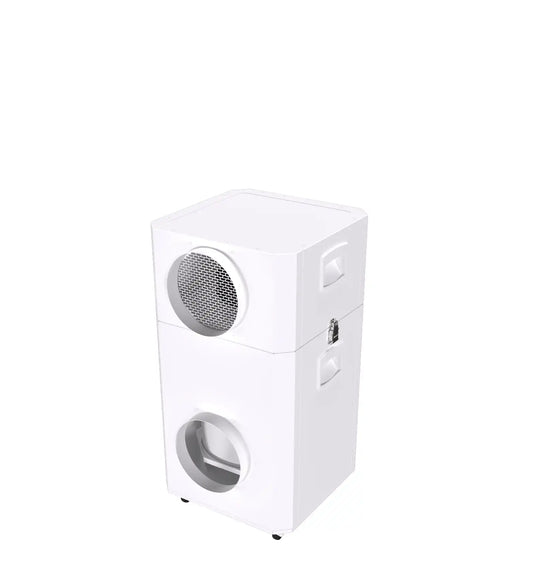
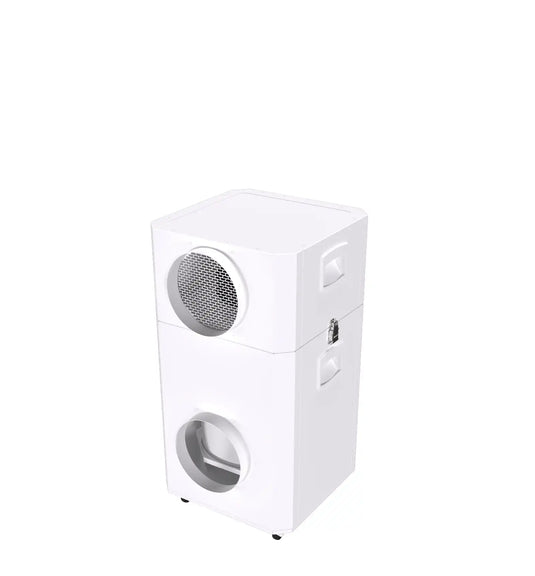
INOVA offers air purifiers with kilograms of activated carbon filtration, including models designed for environments where odours and gaseous pollutants are a greater concern.
Importantly, activated carbon filtration should not be relied upon to control carbon monoxide, gas leaks or all combustion-related gases. Proper ventilation and correctly maintained gas appliances remain essential.
Five Ways to Reduce Cooking-Related Air Pollution
The good news is that reducing cooking pollution doesn't require a complete kitchen renovation.
A few practical habits can make a difference:
-
Use your rangehood every time you cook. Turn it on before cooking and leave it operating for 10–20 minutes afterwards, particularly when frying or grilling. Externally vented extraction is preferable.
-
Avoid unnecessarily high cooking temperatures. Where practical, use moderate heat, avoid overheating cooking oils and choose lower-emission cooking methods such as steaming or simmering.
-
Improve ventilation when outdoor air quality is suitable. Opening windows or doors can help disperse indoor pollutants, although this may not be appropriate during bushfire smoke events or periods of high outdoor pollution.
-
Maintain your cooking equipment. Clean rangehood grease filters regularly and ensure gas appliances are correctly installed, serviced and operating safely.
-
Consider a high-quality air purifier. An appropriately sized HEPA air purifier can help remove residual airborne particles, while suitable activated carbon filtration can assist with certain cooking-related odours and gaseous pollutants.
For best results, position an INOVA air purifier in a nearby living or dining area with unobstructed airflow, rather than immediately beside the cooktop where heat, grease and moisture may affect filters.
A Cleaner Kitchen Starts With Understanding the Air You Breathe
Cooking is an essential part of everyday life, but it's also a source of indoor air pollution that is easy to overlook.
Whether you're preparing a quick breakfast or cooking dinner for the whole family, fine airborne particles and other pollutants can spread beyond the kitchen and into the spaces where you spend the most time.
The most effective approach combines sensible cooking practices, adequate ventilation and high-quality air filtration.
At INOVA Air Purifiers, we believe cleaner indoor air starts with effective filtration technology. Our Australian-made air purifiers combine high-performance H13 medical-grade HEPA filtration with activated carbon options to help manage a broad range of common indoor air pollutants.
Discover how INOVA can help you create a cleaner indoor environment.