The “Drift” Effect: Why Regional Bushfires are a City Air Problem in 2026

If you’ve woken up in Sydney, Newcastle, or the Central Coast this week, you’ve likely noticed a familiar, acrid scent hanging in the morning air. Despite blue skies being forecast, a greyish-brown haze has settled over the horizon.
As of February 2026, "Poor" air quality ratings have been triggered across Greater Sydney and the Hunter Valley—not because of local fires, but due to smoke drifting from blazes as far away as regional NSW and the Victorian Otways.
This is the "Drift Effect," and it’s a reminder that during an Australian summer, you don't need to be near the flames to be at risk.
1. The Science of the Drift: Smoke Doesn't Stay Put
Smoke is an incredibly efficient traveller. The bushfires currently burning across southeastern Australia produce massive amounts of fine particulate matter, specifically PM2.5. These particles are so light that they hitch a ride on high-altitude wind currents, travelling hundreds of kilometres before settling into city basins.
Even if the "visible" haze clears by lunchtime, these microscopic particles remain suspended in the air. At just 2.5 microns—roughly 30 times smaller than a human hair—they are small enough to bypass your body’s natural filters (your nose and throat) and enter your bloodstream.
2. Why "Sealing the House" is Only Half the Battle
The standard advice during a smoke event is to "stay indoors and close all windows." While this is a good first step, Australian homes are rarely airtight.
particles leak through door gaps, floorboards, and vents. Once inside, they become trapped, creating a concentrated "smoke pocket" in your living room or bedroom.
3. Why Most Retail Purifiers Struggle with Smoke
In a crisis, many people rush to buy the first air purifier they see on a department store shelf. However, bushfire smoke is a complex cocktail of both solids (ash and soot) and gases (Carbon Monoxide and VOCs).
-
The Particle Problem: Many cheap filters are too "loose" to catch sub-micron particles.
-
The Gas Problem: To remove the smell and the toxic gases of smoke, you need Activated Carbon. Most retail units use a thin, carbon-dusted sponge that weighs only a few grams. It becomes "full" and ineffective within hours of a heavy smoke event.
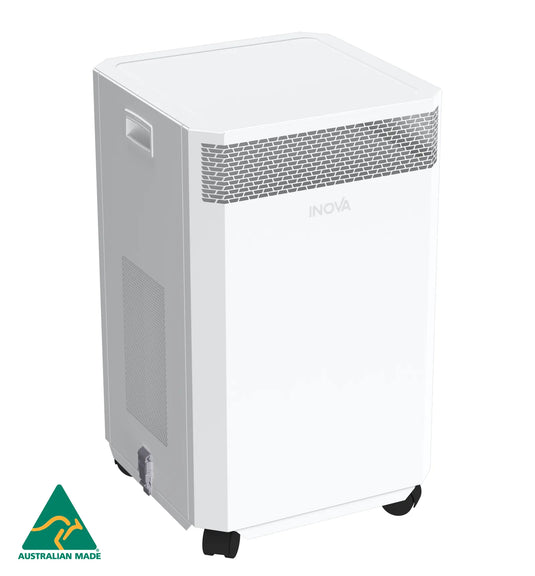
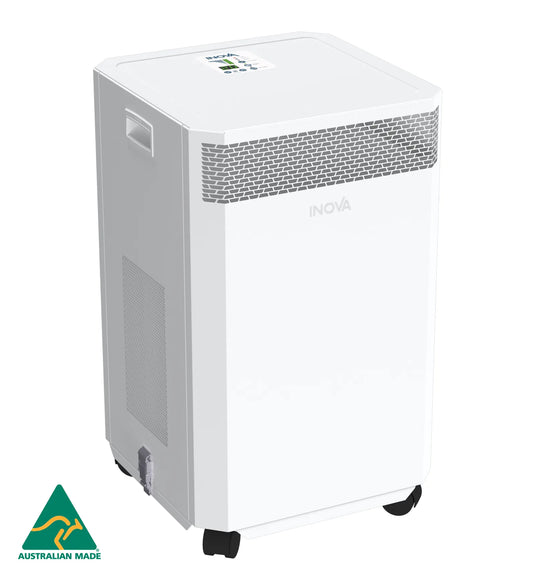
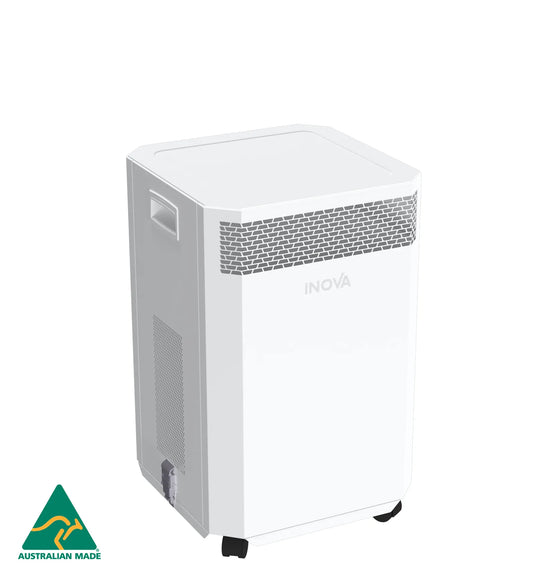
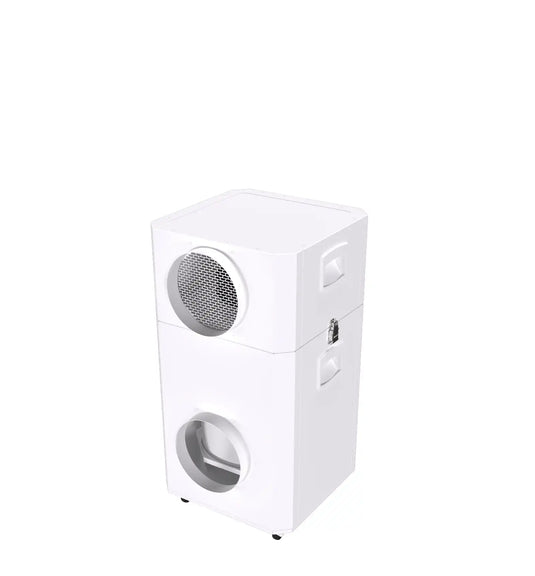
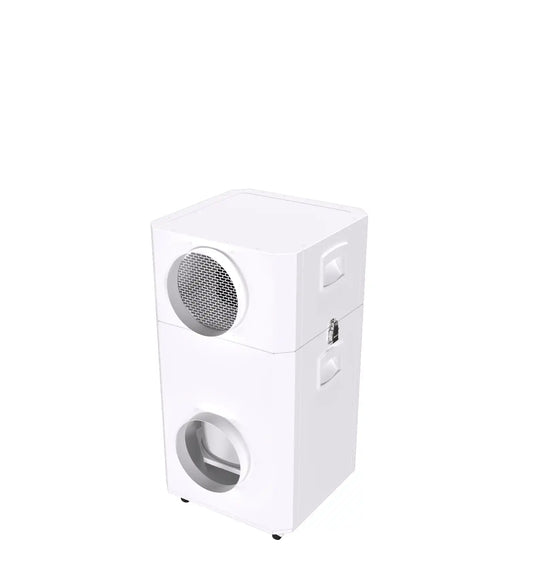
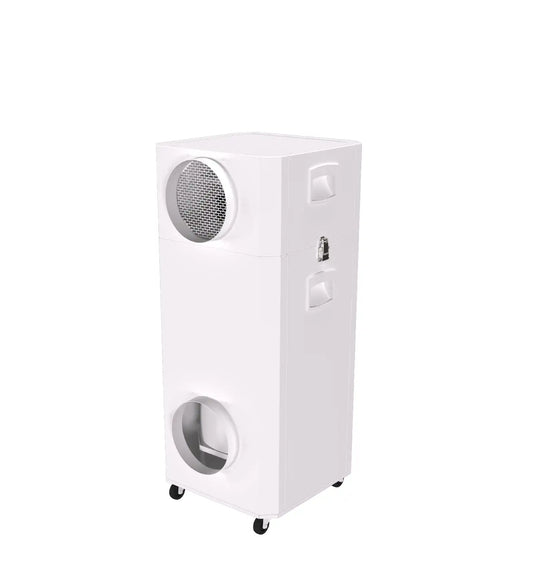
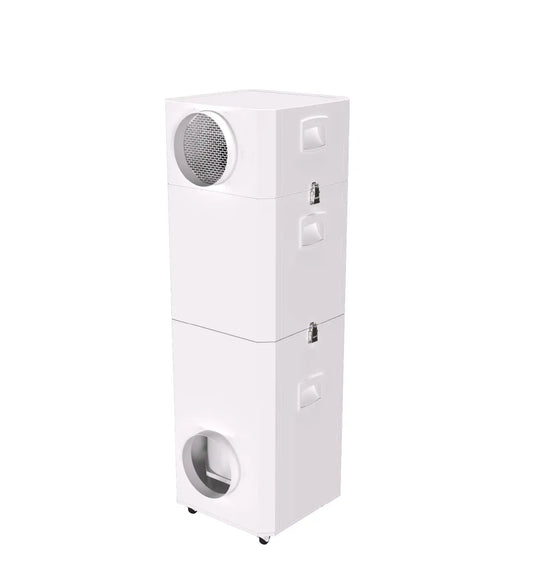
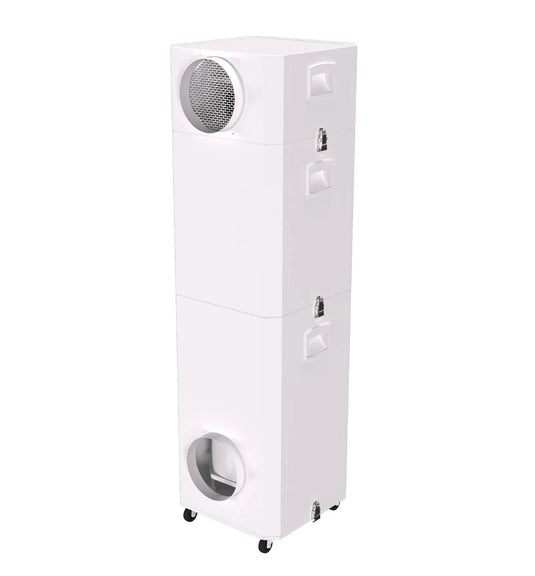
4. The INOVA Difference: Heavy-Duty Protection
To truly clear bushfire smoke, you need medical-grade components designed for high-capacity filtration.
-
Kilograms, Not Grams: Our E8 and E20 models contain between 2.4kg and 6kg of activated carbon. This massive surface area acts like a chemical sponge, soaking up smoke odours and toxic gases that other machines miss.
-
H13 Medical-Grade HEPA: INOVA systems use a high-surface-area H13 HEPA filter, certified to capture 99.95% of particles down to 0.3 microns.
-
Zero Off-Gassing: Unlike plastic purifiers that can release chemical odours when the motor gets hot, INOVA systems are built from powder-coated aluminium, ensuring the machine itself doesn't add to your indoor pollution.
If you can smell smoke, your health is already being impacted. It’s time to turn your home into a "clean air sanctuary."
Explore the range of INOVA Air Purifiers designed to combat bushfire smoke.